Fully Funded Scholarships to Study in the USA 2026 with Visa Sponsorship
Studying in the United States remains a top goal for many international students due to its globally recognized universities, advanced research facilities, diverse academic programs, and strong career opportunities.
However, the cost of higher education in the U.S. can be significant, with expenses often including tuition, accommodation, health insurance, books, transportation, and other living costs. As a result, many students actively seek fully funded scholarships, international student scholarships, and study abroad scholarships to make their education more affordable.
For the 2026 academic year, several universities, government-sponsored programs, and private organizations are expected to offer fully funded funding opportunities for qualified international applicants. These scholarships may cover full tuition fees, monthly living stipends, housing expenses, health insurance, research costs, and, in some cases, travel expenses. Such funding can substantially reduce or eliminate the financial burden associated with earning a degree in the United States.
Many prospective applicants also search for opportunities that include support for the student visa process. While scholarship providers do not grant U.S. visas, many institutions and scholarship programs assist successful candidates by providing the official documentation required for a U.S. student visa, helping students demonstrate financial support during the application process. This support is often referred to as “visa sponsorship” in scholarship-related discussions.
The United States offers funding opportunities across undergraduate, master’s, doctoral, and postdoctoral levels in fields such as engineering, computer science, business, healthcare, education, public policy, and the sciences. Highly competitive programs such as graduate scholarships, PhD scholarships, MBA scholarships, and research fellowships attract thousands of applicants from around the world each year.
This guide provides a detailed overview of the top fully funded scholarships available for international students seeking to study in the USA in 2026. It covers eligibility requirements, scholarship benefits, visa-related considerations, application procedures, required documents, and practical strategies that can improve the chances of securing a full tuition scholarship, education funding, or another form of comprehensive financial aid.
Understanding Fully Funded Scholarships in the USA
Fully funded scholarships are financial aid programs designed to cover most or all of the expenses associated with studying at a U.S. college or university. These awards are highly competitive and are offered by federal programs, universities, private foundations, nonprofit organizations, and research institutions. For international students, a fully funded award can significantly reduce financial barriers and provide access to world-class education without accumulating substantial debt.
Unlike partial awards that cover only a portion of tuition or living expenses, a genuine fully funded scholarship is intended to support students throughout their academic program, subject to maintaining the required academic standards and scholarship conditions.
Definition of Fully Funded Scholarships
A fully funded scholarship generally provides comprehensive financial support for a student’s education and living expenses. However, the exact benefits vary by institution and scholarship provider.
Common components include:
- Full or near-full tuition scholarship coverage.
- Monthly stipend for living expenses.
- University housing or housing allowance.
- Health insurance coverage.
- Academic and research support funding.
- Travel assistance or airfare allowance in some programs.
- Access to professional development opportunities.
Students should carefully review scholarship terms because not all programs include every benefit listed above. Some awards cover tuition and living expenses but exclude travel costs, while others may provide additional funding for conferences, research projects, or academic materials.
Types of Fully Funded Scholarships
The United States offers multiple categories of scholarship opportunities for international students.
Government-Funded Scholarships
Government-sponsored programs are among the most prestigious and competitive funding options available.
Examples often include:
- International exchange scholarships.
- Public diplomacy and educational exchange programs.
- Research-based fellowship programs.
These awards typically provide comprehensive support, including tuition, living expenses, health insurance, and program-related costs.
Because government-funded awards are highly competitive, applicants are usually evaluated based on academic excellence, leadership potential, professional achievements, and community involvement.
University-Funded Scholarships
Many U.S. universities allocate substantial resources toward attracting outstanding international students through university scholarships and institutional financial aid programs.
These scholarships may be awarded based on:
- Academic merit.
- Financial need.
- Leadership accomplishments.
- Athletic achievements.
- Research potential.
- Exceptional extracurricular involvement.
Leading universities often provide some of the most generous international student financial aid packages available.
Foundation and Nonprofit Scholarships
Private foundations and nonprofit organizations also provide significant education grants and scholarship funding.
These organizations frequently focus on:
- Specific academic disciplines.
- Underrepresented populations.
- Developing countries.
- Leadership development.
- Public service and social impact.
Eligibility requirements vary widely depending on the mission and objectives of the sponsoring organization.
Research Assistantships
A research assistantship is a common funding mechanism for graduate students, particularly at the master’s and doctoral levels.
Students typically assist faculty members with:
- Academic research projects.
- Laboratory work.
- Data collection and analysis.
- Literature reviews.
- Technical writing and publications.
In exchange, students often receive:
- Full or partial tuition waivers.
- Monthly stipends.
- Research funding support.
- Professional development opportunities.
Research assistantships are particularly common in engineering, science, technology, healthcare, and social science programs.
Teaching Assistantships
A teaching assistantship provides financial support in exchange for instructional responsibilities.
Common duties include:
- Leading discussion sections.
- Grading assignments and examinations.
- Assisting professors during lectures.
- Conducting laboratory sessions.
- Holding office hours for students.
Many graduate students rely on teaching assistantships as a source of graduate school funding, especially in master’s and PhD programs.
Merit-Based Scholarships
Merit-based awards are granted primarily on achievement rather than financial need.
Selection criteria may include:
- Outstanding academic performance.
- Standardized test scores where required.
- Research accomplishments.
- Leadership experience.
- Community engagement.
- Exceptional talents in specific fields.
Many highly competitive academic scholarships fall into this category.
Need-Based Scholarships
Need-based scholarships focus on a student’s demonstrated financial circumstances.
Universities that offer substantial financial aid for international students may assess:
- Family income.
- Household assets.
- Financial obligations.
- Ability to contribute toward educational expenses.
Some institutions combine need-based aid with merit considerations to determine the final funding package.
Difference Between Fully Funded and Partially Funded Scholarships
Understanding the distinction between these two funding categories is essential when evaluating scholarship opportunities.
Financial Coverage
A full scholarship generally covers most or all major educational costs, while a partial scholarship covers only specific expenses.
A fully funded package may include:
- Tuition.
- Accommodation.
- Living expenses.
- Health insurance.
- Academic support costs.
A partial scholarship may only cover:
- A percentage of tuition.
- One academic semester.
- Specific academic fees.
- A limited stipend.
Out-of-Pocket Expenses
Students receiving a fully funded award usually face significantly lower personal expenses during their studies. However, they may still be responsible for certain costs depending on scholarship terms, such as:
- Personal spending.
- Optional travel.
- Family-related expenses.
- Non-covered academic materials.
Recipients of partial scholarships often need additional sources of funding, including personal savings, family support, educational loans, or other forms of student financial aid.
Additional Benefits and Obligations
Many prestigious fully funded graduate scholarships and fellowship programs provide benefits beyond financial support.
These may include:
- Leadership training.
- Networking opportunities.
- Mentorship programs.
- Research funding.
- Internship placements.
- Career development resources.
At the same time, recipients may be required to:
- Maintain a minimum GPA.
- Enroll full-time.
- Participate in program activities.
- Meet scholarship reporting requirements.
- Comply with university and immigration regulations.
Because scholarship structures differ substantially across institutions and programs, applicants should review all funding details carefully before accepting an award. This ensures a clear understanding of the financial benefits, academic expectations, and long-term commitments associated with the study in USA scholarship opportunity.
What Visa Sponsorship Means for International Students
The term “visa sponsorship” is frequently used in discussions about studying in the United States, but it is often misunderstood. In the context of international education, visa sponsorship generally refers to the support provided by a university, exchange program, or scholarship provider that enables a student to apply for a U.S. student visa.
A scholarship itself does not grant immigration status or issue a visa. Instead, accredited institutions and authorized program sponsors provide the official documentation required for a student to apply for a visa at a U.S. embassy or consulate.
For recipients of a fully funded scholarship, having financial support can strengthen their visa application by demonstrating that educational and living expenses will be covered during their studies.
Understanding U.S. Student Visa Requirements
International students must obtain the appropriate visa before beginning an academic program in the United States.
F-1 Student Visa
The F-1 student visa is the most common visa category for international students pursuing academic studies at accredited U.S. institutions.
Students typically use an F-1 visa for:
- Undergraduate degree programs.
- Master’s degree programs.
- Doctoral programs.
- English language training programs.
- Other academic courses of study.
To qualify for an F-1 visa, applicants generally must:
- Receive admission from a Student and Exchange Visitor Program (SEVP)-certified institution.
- Obtain Form I-20 from the admitting institution.
- Demonstrate sufficient financial resources.
- Show intent to comply with visa regulations.
- Meet all applicable immigration requirements.
Many recipients of international student scholarships and graduate scholarships enter the United States under the F-1 category.
J-1 Exchange Visitor Visa
The J-1 visa is commonly used for educational exchange programs, research opportunities, fellowship programs, and certain government-sponsored initiatives.
This visa category may apply to:
- Exchange students.
- Visiting researchers.
- Scholars.
- Fellows.
- Participants in cultural and educational exchange programs.
Applicants in the J-1 category typically receive Form DS-2019 from their designated program sponsor.
Several prestigious fellowship programs, research scholarships, and government-funded educational initiatives utilize the J-1 visa framework.
Common Visa Procedures for Scholarship Recipients
Although requirements may vary based on nationality and program type, scholarship recipients generally complete the following steps:
- Secure admission to a qualifying institution or program.
- Receive the required immigration document.
- Pay applicable visa-related fees.
- Complete the online visa application process.
- Schedule and attend a visa interview if required.
- Present supporting financial and academic documentation.
- Await a visa decision from the appropriate authorities.
Students awarded a full tuition scholarship or education grant should keep copies of all scholarship award letters and funding documents, as these may be useful during the visa process.
How Scholarship Programs Support Visa Applications
Many scholarship providers and universities offer administrative assistance that helps international students navigate immigration procedures.
Issuance of Form I-20 or DS-2019
One of the most important forms of support involves the issuance of official immigration documents.
Depending on the program type, students may receive:
- Form I-20 for F-1 visa applications.
- Form DS-2019 for J-1 visa applications.
These documents confirm:
- Admission to an approved program.
- Program duration.
- Estimated educational costs.
- Available financial support.
Without these documents, students generally cannot proceed with the visa application process.
Financial Documentation Support
Financial eligibility is a critical component of most U.S. student visa applications.
Recipients of a fully funded scholarship often receive official documentation that outlines:
- Tuition coverage.
- Living expense support.
- Monthly stipends.
- Housing benefits.
- Health insurance coverage.
- Research funding where applicable.
Such documentation can help demonstrate that a student has adequate resources to pursue their studies.
For students receiving graduate school funding, PhD scholarships, or research assistantships, official funding letters often play an important role in establishing financial support.
Guidance During Visa Interviews
Many universities maintain international student offices that provide information and preparation resources for visa interviews.
Support may include:
- Explanation of visa procedures.
- Guidance on required documents.
- Information about maintaining legal student status.
- Orientation on immigration regulations.
While institutions can offer guidance, they cannot influence visa decisions made by consular officers.
Assistance With Immigration Compliance
After arriving in the United States, international students must comply with various immigration requirements.
Universities frequently assist students with:
- Enrollment verification.
- Maintenance of full-time student status.
- Address reporting requirements.
- Travel authorization procedures.
- Employment authorization guidance.
- Program extension requests when necessary.
This support is particularly valuable for recipients of study abroad scholarships, international education grants, and other long-term funding programs.
Important Clarification
The phrase “visa sponsorship” can create confusion because it is commonly associated with employment-based immigration. In the educational context, the meaning is different.
Scholarships Do Not Directly Issue Visas
A scholarship program does not have the authority to grant a visa or approve immigration status.
Scholarship providers may offer:
- Financial support.
- Administrative guidance.
- Required funding documentation.
However, they cannot issue visas on behalf of the U.S. government.
Universities and Authorized Sponsors Provide Required Documentation
For most international students, the educational institution or designated exchange program sponsor serves as the official source of immigration documentation.
These entities are responsible for:
- Verifying student eligibility.
- Issuing Form I-20 or DS-2019.
- Reporting enrollment information through required government systems.
- Monitoring compliance with program regulations.
This process applies to students receiving university scholarships, master’s scholarships, doctoral scholarships, and other forms of academic funding.
Final Visa Approval Rests With U.S. Consular Authorities
Regardless of scholarship status, every applicant must independently satisfy visa requirements.
Visa officers evaluate multiple factors, including:
- Program legitimacy.
- Academic qualifications.
- Financial support.
- Immigration compliance history.
- Supporting documentation.
Even recipients of highly competitive fully funded scholarships in the USA must successfully complete the visa process before entering the country for study.
Understanding this distinction helps students set realistic expectations and prepare appropriate documentation when applying for a U.S. student visa, international student funding, or a fully funded degree program in the United States.
Top Fully Funded Scholarships to Study in the USA in 2026
The United States offers a range of prestigious scholarship and fellowship programs for international students. While funding structures and eligibility requirements vary, the programs below are among the most recognized opportunities for students seeking fully funded scholarships, graduate scholarships, PhD scholarships, master’s scholarships, research fellowships, and international student funding in 2026.
Applicants should always verify the latest eligibility criteria, funding details, and application deadlines directly with the sponsoring institution or program, as requirements may change from year to year.
Fulbright Foreign Student Program
The Fulbright Foreign Student Program is one of the most respected international educational exchange programs in the world. It is designed to support graduate-level study, research, and professional development in the United States.
Key features include:
- Available to applicants from numerous participating countries.
- Primarily supports master’s and doctoral studies.
- May support research activities in certain academic fields.
- Selection is based on academic achievement, leadership potential, and professional accomplishments.
Funding commonly includes:
- Tuition and academic fees.
- Monthly living stipend.
- Health benefits.
- Round-trip travel support where applicable.
Because the program is administered differently across participating countries, eligibility requirements and application procedures may vary.
Hubert H. Humphrey Fellowship Program
The Hubert H. Humphrey Fellowship Program is designed for experienced professionals seeking academic enrichment and leadership development in the United States.
Unlike traditional degree-based scholarships, this fellowship focuses on professional and academic advancement.
Typical target applicants include professionals working in:
- Public policy.
- Education.
- Public health.
- Human rights.
- Economic development.
- Journalism.
- Environmental management.
Program benefits often include:
- Tuition and academic costs.
- Living allowance.
- Health insurance.
- Professional development activities.
- Travel-related support.
Most applicants are expected to have significant professional experience before applying.
Yale University Scholarships
Yale University provides substantial financial aid opportunities for international students at both undergraduate and graduate levels.
For undergraduate applicants, financial aid is primarily need-based. The university evaluates each admitted student’s financial circumstances and may provide aid packages that cover the full demonstrated financial need.
Potential benefits may include:
- Full tuition support.
- Housing assistance.
- Meal plans.
- Additional educational expenses.
Graduate funding opportunities vary by department and academic program. Many doctoral students receive comprehensive funding packages that include tuition coverage, stipends, and health insurance.
Yale remains a major destination for students seeking international student scholarships and fully funded degree programs.
Stanford University Knight-Hennessy Scholars Program
The Knight-Hennessy Scholars Program is among the most prestigious graduate scholarship opportunities in the United States.
The program supports students pursuing graduate degrees across Stanford University’s schools, including:
- Business.
- Engineering.
- Medicine.
- Education.
- Law.
- Humanities and sciences.
Selection criteria emphasize:
- Academic excellence.
- Leadership potential.
- Civic engagement.
- Independent thinking.
Funding generally covers:
- Tuition and associated fees.
- Living stipend.
- Academic expenses.
- Travel support for program-related activities.
Applicants must gain admission to an eligible Stanford graduate program in addition to being selected for the scholarship.
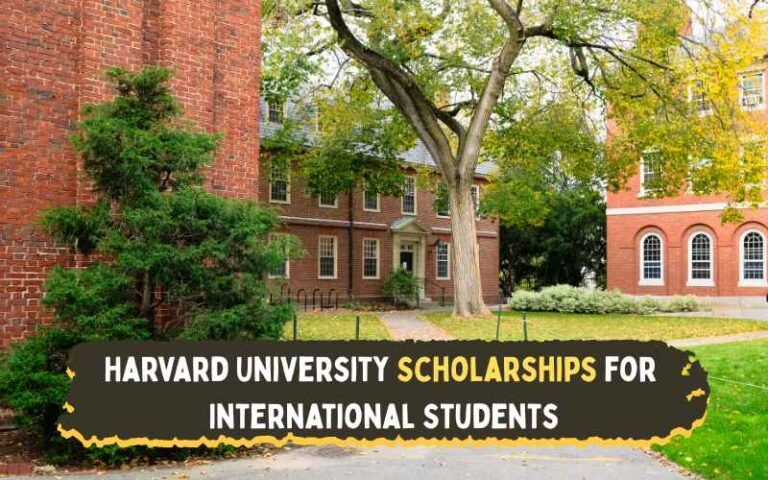
Harvard University Financial Aid Programs
Harvard University offers some of the most generous financial aid programs available to international students.
Undergraduate financial aid is largely need-based and aims to meet 100% of demonstrated financial need for admitted students.
Support may include:
- Full tuition assistance.
- Housing and meal support.
- Additional educational expense coverage.
At the graduate level, funding structures vary by school and department.
Many doctoral students receive:
- Full tuition funding.
- Research support.
- Teaching assistantships.
- Research assistantships.
- Annual stipends.
Harvard’s funding opportunities make it a leading institution for students pursuing graduate school funding and doctoral scholarships.
University of Chicago Scholarships
The University of Chicago provides various funding opportunities for international students across undergraduate and graduate programs.
For undergraduate students, merit-based and need-based financial aid options may be available depending on admission status and institutional policies.
Graduate students frequently receive funding through:
- Departmental fellowships.
- Research assistantships.
- Teaching assistantships.
- Academic grants.
Many doctoral programs provide comprehensive funding packages that include tuition coverage, health insurance, and living stipends.
MIT Scholarships and Financial Aid
The Massachusetts Institute of Technology (MIT) offers extensive financial support to qualified students.
For undergraduate students, financial aid decisions are generally based on demonstrated financial need rather than academic merit alone.
Aid packages may include:
- Tuition assistance.
- Housing support.
- Meal assistance.
- Additional educational funding.
Graduate students often receive funding through:
- Research assistantships.
- Teaching assistantships.
- Fellowships.
- Departmental grants.
MIT is especially attractive to students seeking funding in engineering, computer science, data science, artificial intelligence, and other STEM disciplines.
Duke University Karsh International Scholarship
The Karsh International Scholarship is one of Duke University’s premier funding opportunities for international students.
The scholarship is intended to support academically exceptional students who demonstrate strong leadership and significant potential for societal impact.
Benefits may include:
- Full tuition coverage.
- Housing and accommodation support.
- Mandatory fees.
- Research and enrichment funding.
Recipients often gain access to leadership development and academic enhancement opportunities throughout their studies.
Clark Global Scholarship Program
Clark University offers scholarship opportunities specifically designed for international students.
While award amounts can vary, highly qualified applicants may receive substantial funding that significantly reduces educational expenses.
Selection criteria often include:
- Academic achievement.
- Leadership qualities.
- Community involvement.
- Personal accomplishments.
Students should carefully review annual scholarship details to determine available funding levels and eligibility requirements.
Other Notable U.S. Scholarships for International Students
In addition to the major programs above, several other funding opportunities can support international students pursuing higher education in the United States.
Joint Japan/World Bank Graduate Scholarship Program
This program supports students from eligible developing countries pursuing graduate studies related to development.
Key areas of study often include:
- Public policy.
- Economic development.
- Infrastructure management.
- Health systems.
- Environmental sustainability.
Funding may cover tuition, living expenses, and travel-related costs at approved institutions.
AAUW International Fellowships
The American Association of University Women (AAUW) offers fellowship opportunities for women pursuing graduate and postgraduate studies.
These fellowships are designed to support academic advancement and professional development for women from outside the United States.
Eligible applicants may include:
- Master’s students.
- Doctoral candidates.
- Postdoctoral researchers.
Rotary Peace Fellowships
Rotary Peace Fellowships support individuals interested in peacebuilding, conflict resolution, international development, and related fields.
The program typically provides funding for advanced academic study and professional training.
Selection focuses heavily on leadership experience and demonstrated commitment to social impact.
Aga Khan Foundation International Scholarship
The Aga Khan Foundation offers financial support to outstanding students from selected countries who lack sufficient financial resources for higher education.
The scholarship frequently supports graduate-level studies and may be used at eligible institutions in the United States.
Eligibility and funding conditions vary based on country and program requirements.
University-Specific Graduate Fellowships
Many U.S. universities operate their own fellowship programs for international students.
Common examples include:
- Presidential fellowships.
- Distinguished scholar awards.
- Dean’s fellowships.
- Departmental graduate fellowships.
- Research excellence awards.
These programs often provide comprehensive graduate school funding through combinations of tuition waivers, living stipends, research grants, and health insurance coverage.
Students pursuing master’s scholarships, doctoral scholarships, MBA scholarships, healthcare scholarships, engineering scholarships, computer science scholarships, and research funding should explore institution-specific fellowship opportunities in addition to nationally recognized scholarship programs.
Fully Funded Graduate Assistantships in the USA
Graduate assistantships are among the most common forms of graduate school funding in the United States. Many universities use assistantships to support master’s and PhD students while advancing teaching, research, and academic operations.
For international students, assistantships can serve as an alternative or supplement to traditional fully funded scholarships. Depending on the institution and department, an assistantship may provide full tuition coverage, health insurance, and a monthly stipend sufficient to cover living expenses.
Graduate assistantships are particularly common in fields such as engineering, computer science, business, public health, education, economics, biological sciences, mathematics, and social sciences.
Research Assistantships (RA)
A Research Assistantship (RA) is a funding arrangement in which a graduate student works on research projects under the supervision of a faculty member, research center, or academic department.
Research assistantships are especially prevalent in research-intensive universities and STEM disciplines where faculty members manage externally funded projects supported by government agencies, foundations, or industry partners.
Responsibilities
Research assistant duties vary depending on the academic field and project requirements.
Common responsibilities include:
- Conducting literature reviews.
- Collecting and organizing research data.
- Performing laboratory experiments.
- Statistical analysis and data interpretation.
- Developing software or technical models.
- Preparing research reports.
- Assisting with academic publications.
- Supporting grant-funded projects.
Students pursuing PhD scholarships often spend a significant portion of their academic training working as research assistants.
Benefits and Funding Coverage
Many research assistantships provide comprehensive financial support.
Typical benefits may include:
- Full or partial tuition waiver.
- Monthly living stipend.
- Health insurance coverage.
- Research-related funding.
- Access to academic resources and laboratories.
At many universities, fully funded PhD programs are largely financed through research assistantships rather than traditional scholarship awards.
Funding amounts vary depending on:
- University policies.
- Department budgets.
- Geographic location.
- Cost of living.
- Research grant availability.
Fields Commonly Offering Research Assistantships
Research assistantships are widely available in disciplines with strong research activity.
Examples include:
- Computer science.
- Artificial intelligence.
- Data science.
- Mechanical engineering.
- Electrical engineering.
- Biomedical engineering.
- Public health.
- Chemistry.
- Physics.
- Environmental science.
- Economics.
- Psychology.
Students seeking research funding in high-demand fields often find research assistantships to be one of the most accessible forms of international student funding.
Teaching Assistantships (TA)
A Teaching Assistantship (TA) is a funding arrangement in which graduate students assist faculty members with instructional and teaching-related activities.
Teaching assistantships are particularly common in master’s and doctoral programs at large universities where faculty members oversee multiple classes and large student enrollments.
Teaching-Related Duties
Specific responsibilities depend on department requirements and course structure.
Common duties include:
- Leading discussion sections.
- Conducting laboratory sessions.
- Grading assignments and examinations.
- Monitoring student progress.
- Holding office hours.
- Assisting with classroom management.
- Supporting course administration.
In some programs, advanced doctoral students may be permitted to teach their own courses under faculty supervision.
Tuition Waivers and Stipends
Teaching assistantships often provide significant financial benefits.
Funding packages may include:
- Full tuition waiver.
- Partial tuition waiver.
- Monthly stipend.
- Health insurance.
- Fee reductions.
Many universities combine teaching assistantships with fellowship support to create comprehensive graduate funding packages.
For international students pursuing master’s scholarships or doctoral scholarships, teaching assistantships can substantially reduce educational costs while providing valuable teaching experience.
Graduate Program Availability
Teaching assistantships are commonly offered in:
- Education.
- Mathematics.
- Economics.
- Political science.
- English.
- History.
- Sociology.
- Biology.
- Chemistry.
- Physics.
Availability depends on departmental teaching needs and available funding.
Competitive programs may prioritize applicants with:
- Strong academic records.
- Prior teaching experience.
- Excellent communication skills.
- Demonstrated subject-matter expertise.
Graduate Fellowships
Graduate fellowships are another major source of education funding for international students in the United States.
Unlike assistantships, fellowships typically do not require students to perform teaching or research duties in exchange for financial support.
Fellowships are often awarded based on academic merit, research potential, leadership achievements, or professional accomplishments.
Difference From Assistantships
Although both fellowships and assistantships provide graduate school funding, important differences exist.
Graduate fellowships generally:
- Focus on academic achievement and potential.
- Do not require regular employment obligations.
- Allow greater flexibility for independent research.
- May be funded by universities, foundations, government agencies, or private organizations.
Assistantships generally:
- Require teaching or research responsibilities.
- Function as part-time academic employment.
- Provide compensation in exchange for specific duties.
- Are usually managed through academic departments.
Many fully funded degree programs combine fellowships with assistantships to maximize student support.
Competitive Advantages
Graduate fellowships often provide several advantages beyond financial assistance.
These may include:
- Recognition of academic excellence.
- Enhanced professional reputation.
- Networking opportunities.
- Access to specialized research programs.
- Priority consideration for academic resources.
- Additional travel or conference funding.
Fellowship recipients may be viewed favorably during future applications for research grants, postdoctoral positions, and academic employment opportunities.
Funding Structures
Graduate fellowships vary significantly in size and scope.
Funding may include:
- Full tuition coverage.
- Living stipend.
- Health insurance.
- Research grants.
- Conference travel support.
- Professional development funding.
Some fellowships provide support for a single academic year, while others fund students throughout the duration of a master’s or doctoral program.
Examples of common fellowship categories include:
- Presidential fellowships.
- Doctoral fellowships.
- Research fellowships.
- Graduate merit fellowships.
- Diversity fellowships.
- International student fellowships.
For students seeking fully funded scholarships in the USA, graduate assistantships and fellowships often represent the most realistic and widely available pathways to complete funding, particularly at the master’s and doctoral levels. Many universities allocate a substantial portion of their international student financial aid through these funding mechanisms rather than through standalone scholarship programs.
Eligibility Requirements for Fully Funded Scholarships
Eligibility requirements vary by scholarship program, university, degree level, and funding source. While no single set of criteria applies to every fully funded scholarship in the USA, most scholarship providers evaluate applicants based on academic performance, language proficiency, leadership potential, personal achievements, and other factors relevant to the program.
Understanding these requirements before applying can help students focus on scholarship opportunities that align with their qualifications and career goals.
Academic Requirements
Academic performance is one of the most important factors in scholarship selection.
Most fully funded scholarships, graduate scholarships, master’s scholarships, and PhD scholarships are highly competitive, meaning applicants are often expected to demonstrate strong academic records.
Common academic considerations include:
- High secondary school grades for undergraduate scholarships.
- Strong undergraduate performance for master’s scholarships.
- Strong bachelor’s or master’s degree results for doctoral scholarships.
- Academic awards and honors.
- Research accomplishments.
- Publications or conference presentations for research-focused programs.
Many universities review transcripts carefully to assess:
- Academic consistency.
- Course rigor.
- Subject-specific performance.
- Readiness for advanced study.
For competitive graduate school funding opportunities, applicants with strong academic histories generally have a significant advantage.
GPA Expectations
Grade Point Average (GPA) requirements differ among institutions and scholarship programs.
Some scholarships establish minimum GPA thresholds, while others evaluate applicants holistically.
Common expectations include:
- Above-average academic standing.
- Consistent performance throughout previous studies.
- Strong grades in subjects relevant to the intended field of study.
Highly competitive scholarships often attract applicants with exceptional GPAs, particularly in disciplines such as engineering, computer science, medicine, economics, and business administration.
Academic Excellence Standards
Scholarship committees frequently assess more than numerical grades.
Indicators of academic excellence may include:
- Academic distinctions.
- National or international competition awards.
- Research achievements.
- Independent projects.
- Leadership in academic organizations.
- Exceptional intellectual potential.
Programs offering research funding and doctoral scholarships often place substantial emphasis on evidence of scholarly achievement.
Program-Specific Requirements
Certain scholarship opportunities impose additional academic criteria related to specific disciplines.
Examples may include:
- Portfolio submissions for arts programs.
- Research proposals for PhD applicants.
- Professional certifications for specialized fields.
- Completion of prerequisite coursework.
Applicants should carefully review program-specific eligibility requirements before submitting applications.
Language Proficiency Requirements
Because most academic programs in the United States are taught in English, international students are often required to demonstrate English language proficiency.
Universities and scholarship providers use standardized language assessments to evaluate applicants’ readiness for academic study.
TOEFL
The Test of English as a Foreign Language (TOEFL) is widely accepted by U.S. universities.
The examination evaluates:
- Reading skills.
- Listening skills.
- Speaking ability.
- Writing ability.
Many scholarship programs require TOEFL scores that meet or exceed institutional admission standards.
IELTS
The International English Language Testing System (IELTS) is another commonly accepted examination.
The test measures:
- Reading comprehension.
- Writing proficiency.
- Listening skills.
- Spoken English communication.
Numerous universities accept either TOEFL or IELTS for admission and scholarship consideration.
Duolingo English Test
Some institutions now accept the Duolingo English Test as an alternative language assessment.
Acceptance policies vary by university and academic program.
Students should verify whether the test is accepted for:
- University admission.
- International student scholarships.
- Graduate school funding applications.
Institution-Specific Policies
Language requirements may differ depending on:
- Academic level.
- Field of study.
- Nationality.
- Previous education history.
Some universities waive language testing requirements for applicants who completed prior education in English-speaking environments or at institutions where English was the primary language of instruction.
Leadership and Extracurricular Activities
Many scholarship providers seek applicants who demonstrate leadership potential and meaningful involvement beyond academics.
This factor is particularly important for:
- Leadership scholarships.
- Government-funded scholarships.
- International fellowship programs.
- Public policy scholarships.
- Global development scholarships.
Scholarship committees often evaluate how applicants have contributed to their schools, communities, professions, or organizations.
Community Service
Community engagement is frequently considered during scholarship selection.
Relevant activities may include:
- Volunteer programs.
- Educational outreach initiatives.
- Public health campaigns.
- Environmental projects.
- Youth development activities.
Applicants who demonstrate measurable impact within their communities may strengthen their scholarship applications.
Volunteer Work
Volunteer experience can demonstrate:
- Commitment to service.
- Leadership skills.
- Teamwork abilities.
- Social responsibility.
Many international education grants and fellowship programs value applicants with sustained volunteer involvement.
Professional Achievements
Professional accomplishments may be particularly important for graduate scholarships and fellowship programs.
Examples include:
- Career advancement.
- Industry recognition.
- Professional certifications.
- Leadership positions.
- Project management experience.
- Entrepreneurial success.
Applicants with significant professional achievements may be more competitive for executive education scholarships and professional development fellowships.
Work Experience Requirements
Not all scholarship programs require work experience. However, many graduate and fellowship opportunities consider professional experience an important qualification.
The relevance and duration of required experience vary by program.
Scholarships Requiring Professional Experience
Some scholarship categories specifically target experienced professionals.
Examples may include programs in:
- Public administration.
- International development.
- Public health.
- Education leadership.
- Business management.
- Public policy.
Applicants may be required to demonstrate:
- Full-time employment history.
- Leadership responsibilities.
- Career progression.
- Professional accomplishments.
These requirements are particularly common in leadership-focused fellowship programs.
Fellowships Designed for Mid-Career Professionals
Certain fellowship programs are intended for individuals who have already established careers and seek advanced training.
Selection criteria often emphasize:
- Professional impact.
- Leadership potential.
- Public service contributions.
- Policy influence.
- Community engagement.
Applicants may need several years of relevant work experience before becoming eligible.
Country-Specific Eligibility Conditions
Many fully funded scholarships include nationality-based eligibility requirements.
Some programs are open to applicants from all countries, while others restrict eligibility to specific regions or participating nations.
Students should verify nationality requirements before investing time in the application process.
Nationality Restrictions
Certain scholarships may only accept applicants from:
- Developing countries.
- Specific geographic regions.
- Participating partner nations.
- Countries with educational exchange agreements.
These restrictions are common in government-funded scholarships and international development programs.
Regional Scholarship Programs
Some funding opportunities are specifically designed for students from particular regions, including:
- Africa.
- Asia.
- Latin America.
- The Middle East.
- Eastern Europe.
- Central Asia.
Regional scholarships may prioritize fields that support economic development, public health, education, technology, sustainability, or governance.
In addition to nationality requirements, some programs may consider factors such as residence, citizenship status, or long-term community involvement within eligible regions.
Because eligibility standards differ significantly across scholarship opportunities, applicants should review all academic, language, professional, and nationality requirements carefully before applying for fully funded scholarships, international student funding, master’s scholarships, doctoral scholarships, MBA scholarships, research fellowships, and other forms of education funding in the United States.
Required Documents for Scholarship Applications
Most fully funded scholarships in the USA require applicants to submit a comprehensive set of documents that allow universities and scholarship committees to evaluate academic qualifications, leadership potential, financial need, professional experience, and overall suitability for funding.
Document requirements vary depending on the scholarship provider, university, degree level, and field of study. However, several core documents appear in the majority of international student scholarship applications.
Applicants should begin preparing these materials well in advance because obtaining official records, recommendation letters, and test scores can take considerable time.
Academic Documents
Academic records are among the most important components of scholarship and university applications. These documents help evaluators assess academic preparedness and potential for success.
Transcripts
Official transcripts provide a detailed record of previous academic performance.
Transcripts typically include:
- Courses completed.
- Grades earned.
- Credit hours.
- Academic standing.
- Degree progress.
Universities and scholarship providers use transcripts to evaluate:
- Academic consistency.
- Subject-specific strengths.
- Overall academic achievement.
- Readiness for advanced study.
For graduate scholarships and PhD scholarships, strong academic records often play a major role in funding decisions.
Degree Certificates
Applicants who have completed a previous academic program are usually required to submit degree certificates or graduation documents.
These documents verify:
- Degree completion.
- Academic qualification level.
- Institution attended.
- Date of graduation.
Graduate school funding opportunities generally require proof of completion of the relevant prerequisite degree.
Academic Records
In some cases, scholarship providers may request additional academic documentation beyond standard transcripts.
Examples include:
- Class rankings.
- Academic awards.
- Honors certificates.
- Research project records.
- Thesis abstracts.
- Academic achievement reports.
Such records can strengthen applications for competitive research fellowships and fully funded degree programs.
Personal Documents
Personal identification documents are required to verify the applicant’s identity and eligibility.
Passport
A valid passport is one of the most commonly requested documents for international student funding applications.
The passport is used to verify:
- Identity.
- Nationality.
- Date of birth.
- Legal travel status.
Applicants should ensure that their passports remain valid throughout the application and enrollment process.
Identification Documents
Some scholarship providers may request additional forms of identification.
Examples may include:
- National identification cards.
- Birth certificates.
- Residence documentation.
- Citizenship verification documents.
Requirements vary depending on the scholarship program and country of origin.
Recommendation Letters
Recommendation letters provide independent assessments of an applicant’s qualifications, character, leadership abilities, and potential for academic success.
Many scholarship committees place significant weight on these letters when making funding decisions.
Number Typically Required
Most scholarship applications require between two and three recommendation letters.
The exact number depends on:
- Scholarship provider.
- University requirements.
- Academic level.
- Program type.
Applicants should review requirements carefully to ensure compliance with submission guidelines.
Selecting Strong Referees
Effective recommendation letters generally come from individuals who know the applicant well and can provide specific examples of achievements and abilities.
Common referees include:
- Professors.
- Academic advisors.
- Research supervisors.
- Employers.
- Department heads.
- Professional mentors.
For graduate scholarships, research funding opportunities, and doctoral scholarships, letters from faculty members or research supervisors are often particularly valuable.
Strong recommendations typically address:
- Academic performance.
- Research capability.
- Leadership skills.
- Professional competence.
- Communication abilities.
- Potential for future success.
Personal Statement or Statement of Purpose
The personal statement is often one of the most influential components of a scholarship application.
This document allows applicants to explain their background, goals, achievements, and reasons for pursuing a specific academic program.
Scholarship committees use personal statements to evaluate motivation, clarity of purpose, and alignment with program objectives.
Key Components
A strong statement of purpose generally includes:
- Academic background.
- Professional experience.
- Career objectives.
- Research interests.
- Leadership experiences.
- Community involvement.
- Reasons for selecting the institution or program.
For applicants pursuing master’s scholarships, MBA scholarships, doctoral scholarships, or research fellowships, clearly articulated academic and professional goals are especially important.
Common Evaluation Criteria
Reviewers often assess:
- Writing quality.
- Clarity of objectives.
- Academic motivation.
- Leadership potential.
- Professional aspirations.
- Alignment with scholarship goals.
Competitive scholarship essays usually demonstrate a clear connection between the applicant’s experiences and future plans.
Curriculum Vitae (CV) or Resume
A CV or resume provides a structured overview of an applicant’s academic, professional, and extracurricular accomplishments.
Most graduate school funding applications require either a CV or resume.
Recommended Format
Although formats vary, a well-organized document commonly includes:
- Contact information.
- Educational background.
- Professional experience.
- Research experience.
- Publications.
- Presentations.
- Leadership roles.
- Volunteer activities.
- Awards and honors.
- Technical skills.
Graduate applicants should prioritize academic and professional achievements relevant to their intended field of study.
Relevant Experiences to Highlight
Applicants should emphasize experiences that demonstrate readiness for advanced education and scholarship support.
Examples include:
- Research projects.
- Internship experience.
- Teaching experience.
- Leadership positions.
- Community service.
- Professional accomplishments.
- Academic awards.
Students seeking engineering scholarships, healthcare scholarships, business scholarships, or computer science scholarships should tailor their CVs to reflect achievements relevant to those fields.
Standardized Test Scores (Where Required)
Many universities and scholarship programs require standardized test scores as part of the admissions and funding process. However, some institutions have reduced or eliminated certain testing requirements in recent years.
Applicants should verify current policies for each institution and scholarship program.
GRE
The Graduate Record Examination (GRE) is commonly used for admission to graduate programs.
The test evaluates:
- Verbal reasoning.
- Quantitative reasoning.
- Analytical writing.
GRE scores may be required for certain master’s scholarships and doctoral scholarships, particularly in science, engineering, economics, and social science disciplines.
GMAT
The Graduate Management Admission Test (GMAT) is primarily used for business-related graduate programs.
The examination assesses:
- Quantitative skills.
- Verbal skills.
- Data analysis.
- Critical reasoning.
Applicants pursuing MBA scholarships and business school funding opportunities may be required to submit GMAT scores, although some programs now offer waivers or alternative admissions pathways.
Program-Specific Testing Requirements
Certain academic fields may require additional examinations or assessments.
Examples include:
- Professional licensing examinations.
- Subject-specific admission tests.
- Portfolio evaluations.
- Research proposal assessments.
- Writing samples.
Requirements differ significantly by institution, degree level, and discipline.
Because fully funded scholarships are highly competitive, applicants should ensure that all required documents are accurate, complete, current, and submitted before the stated deadlines. Missing documentation, incomplete records, or failure to follow application instructions can result in disqualification regardless of academic qualifications or scholarship eligibility.
Step-by-Step Application Process
Applying for fully funded scholarships in the USA requires careful planning, attention to detail, and adherence to multiple deadlines. In many cases, students must complete both a university admission application and a separate scholarship application. Some scholarship programs automatically consider admitted students for funding, while others require independent applications.
Understanding each stage of the process can help applicants avoid common mistakes and improve their chances of securing international student funding, graduate school funding, research fellowships, master’s scholarships, or doctoral scholarships.
Research Scholarship Opportunities
The first step is identifying scholarships that match the applicant’s academic background, career goals, nationality, and financial circumstances.
Students should focus on scholarships that align with:
- Intended degree level.
- Field of study.
- Academic qualifications.
- Professional experience.
- Leadership profile.
- Nationality requirements.
Thorough research helps applicants avoid applying for programs where they do not meet the eligibility criteria.
University Websites
Most universities publish information about:
- International student scholarships.
- Merit-based scholarships.
- Need-based financial aid.
- Graduate assistantships.
- Research funding opportunities.
- Departmental fellowships.
University scholarship pages often provide detailed information about eligibility requirements, deadlines, and application procedures.
Official Scholarship Portals
Many major scholarship providers maintain dedicated application systems that contain:
- Eligibility information.
- Required documentation.
- Selection criteria.
- Application timelines.
Applicants should rely on official program information rather than unofficial sources when evaluating scholarship opportunities.
Government Scholarship Databases
Government-sponsored educational programs often maintain databases that list available scholarship and fellowship opportunities.
These resources can help students identify:
- Exchange programs.
- Public policy scholarships.
- Research fellowships.
- International education grants.
- Development-focused scholarship programs.
Verify Eligibility
Before beginning an application, students should carefully review all eligibility requirements.
Applying for scholarships without meeting the minimum criteria often results in automatic rejection.
Reviewing Scholarship Criteria
Applicants should evaluate whether they satisfy requirements related to:
- Academic qualifications.
- Degree level.
- Nationality.
- Language proficiency.
- Work experience.
- Leadership background.
- Field of study.
Some scholarships target specific populations, professions, or geographic regions, making eligibility verification essential.
Confirming Deadlines
Scholarship deadlines vary significantly across programs.
Important deadlines may include:
- University admission deadlines.
- Scholarship application deadlines.
- Supporting document submission deadlines.
- Recommendation letter deadlines.
- Interview schedules.
Missing a deadline can result in disqualification regardless of the strength of the application.
Prepare Application Materials
Once eligibility is confirmed, applicants should begin assembling all required materials.
Preparing documents early allows time to address any issues before submission deadlines.
Gathering Documents
Commonly required materials include:
- Academic transcripts.
- Degree certificates.
- Passport copies.
- Language test scores.
- CV or resume.
- Recommendation letters.
- Scholarship essays.
Applicants should ensure that all documents are accurate, legible, and properly translated if required.
Drafting Essays
Many scholarship applications require written statements that explain:
- Academic interests.
- Career objectives.
- Leadership experiences.
- Research goals.
- Community impact.
Effective scholarship essays are typically specific, evidence-based, and tailored to the scholarship’s objectives.
For highly competitive funding opportunities such as PhD scholarships, MBA scholarships, and research fellowships, essays often play a major role in the selection process.
Requesting Recommendations
Applicants should request recommendation letters well before the application deadline.
Strong recommendations are more likely when referees have sufficient time to prepare thoughtful and detailed evaluations.
Students should provide referees with:
- Scholarship information.
- Academic background details.
- Career goals.
- Relevant achievements.
This information can help referees write stronger and more targeted recommendations.
Submit University Admissions Applications
Many scholarship opportunities require applicants to secure admission before scholarship decisions can be finalized.
In some cases, admission and scholarship applications occur simultaneously.
Admission Requirements
University admission requirements may include:
- Academic records.
- Language proficiency scores.
- Personal statements.
- Standardized test scores where applicable.
- Program-specific materials.
Meeting scholarship requirements does not automatically guarantee admission to a university program.
Scholarship-Linked Admissions Processes
Some institutions automatically evaluate admitted students for scholarship consideration.
Others require applicants to submit:
- Separate scholarship applications.
- Additional essays.
- Supplementary documents.
Applicants should understand whether scholarship consideration is automatic or requires additional action.
Complete Scholarship Applications
After preparing all required materials, applicants must complete the scholarship application according to the program’s instructions.
Accuracy and completeness are critical at this stage.
Separate Scholarship Forms
Many funding opportunities require dedicated scholarship forms that collect information beyond the university admission application.
These forms may request:
- Personal information.
- Academic history.
- Financial information.
- Leadership experience.
- Professional accomplishments.
Applicants should answer all questions thoroughly and honestly.
Supporting Documents
Scholarship providers frequently require supporting documentation to verify information submitted in the application.
Examples include:
- Academic records.
- Employment verification.
- Research proposals.
- Financial documentation.
- Certificates of achievement.
Incomplete applications may be excluded from further consideration.
Attend Interviews (If Required)
Some fully funded scholarships include an interview stage as part of the selection process.
Interviews allow scholarship committees to assess qualities that may not be fully reflected in written applications.
Common Interview Questions
Interview topics often include:
- Academic interests.
- Career goals.
- Leadership experiences.
- Research plans.
- Community service activities.
- Motivation for studying in the United States.
Applicants may also be asked to explain how they intend to use their education after graduation.
Preparation Strategies
Effective interview preparation may involve:
- Reviewing scholarship objectives.
- Practicing responses to common questions.
- Studying personal application materials.
- Researching the academic program.
- Developing clear explanations of future goals.
Strong communication skills and thoughtful responses can positively influence scholarship decisions.
Monitor Application Status
After submitting applications, students should actively track their application progress.
Many scholarship programs provide online portals or communication channels for status updates.
Follow-Up Procedures
Applicants may need to:
- Confirm receipt of application materials.
- Respond to requests for additional documentation.
- Submit missing information.
- Verify recommendation submissions.
Prompt responses help prevent unnecessary delays in the review process.
Acceptance Notifications
Successful applicants typically receive official notification from the scholarship provider, university, or both.
Acceptance materials may include:
- Scholarship award details.
- Funding conditions.
- Enrollment instructions.
- Visa documentation requirements.
- Program start dates.
Applicants should carefully review all award terms before accepting any scholarship offer. Funding conditions may include academic performance requirements, enrollment obligations, research commitments, or participation in specific program activities. Understanding these requirements is essential for maintaining eligibility throughout the duration of the fully funded degree program.
Tips to Increase Your Chances of Winning a Fully Funded Scholarship
Fully funded scholarships in the USA are highly competitive. Many programs receive applications from thousands of qualified candidates each year, while only a small percentage of applicants ultimately receive funding. Strong academic performance alone is often insufficient. Scholarship committees typically evaluate applicants using a combination of academic achievement, leadership potential, research capability, professional accomplishments, communication skills, and alignment with program objectives.
The following strategies can help strengthen scholarship applications and improve competitiveness for international student scholarships, graduate school funding, research fellowships, master’s scholarships, doctoral scholarships, and other forms of education funding.
Maintain Strong Academic Performance
Academic excellence remains one of the most important selection criteria across most scholarship programs.
Scholarship reviewers often use academic records to assess:
- Intellectual ability.
- Subject mastery.
- Consistency of performance.
- Readiness for advanced study.
Applicants should strive to maintain strong grades throughout their educational journey rather than attempting to improve only shortly before applying.
Focus on Relevant Coursework
Performance in courses related to the intended field of study often receives special attention.
For example:
- Engineering scholarship applicants should demonstrate strength in mathematics and technical subjects.
- Healthcare scholarship applicants may benefit from strong science backgrounds.
- MBA scholarship applicants should show competence in quantitative and analytical coursework.
Strong subject-specific performance can reinforce academic credibility.
Pursue Academic Distinction
Achievements that can strengthen scholarship applications include:
- Academic honors.
- Dean’s list recognition.
- Competitive academic awards.
- Research achievements.
- Scholarly publications.
These accomplishments help applicants stand out in highly competitive applicant pools.
Build Leadership Experience
Many prestigious scholarship programs seek future leaders who can contribute to their professions, communities, and countries.
Leadership does not necessarily require holding high-ranking positions. Scholarship committees often value evidence of initiative, responsibility, and measurable impact.
Leadership in Student Organizations
Examples may include:
- Student government participation.
- Academic club leadership.
- Professional association involvement.
- Event organization.
- Mentorship programs.
Applicants should emphasize tangible outcomes rather than simply listing positions held.
Community Leadership
Community-based leadership experiences may include:
- Volunteer project coordination.
- Youth development initiatives.
- Public awareness campaigns.
- Educational outreach programs.
- Social impact projects.
Programs such as international fellowships and public policy scholarships often place significant weight on demonstrated community engagement.
Gain Research Experience
Research experience is particularly valuable for applicants pursuing graduate scholarships, PhD scholarships, research funding, and research fellowships.
Scholarship committees frequently seek evidence that applicants can contribute meaningfully to academic inquiry and innovation.
Participate in Research Projects
Students can gain research experience through:
- Faculty-led research initiatives.
- Independent research projects.
- Academic laboratories.
- Research internships.
- Institutional research programs.
Participation in meaningful research activities demonstrates analytical and problem-solving abilities.
Publish or Present Research
Although not always required, research outputs can strengthen applications.
Examples include:
- Academic publications.
- Conference presentations.
- Research posters.
- Technical reports.
- Thesis projects.
Research accomplishments may be particularly influential in science, engineering, healthcare, economics, and technology-related fields.
Develop a Strong Personal Statement
The personal statement often serves as one of the most influential components of a scholarship application.
A well-written statement helps reviewers understand the applicant beyond grades and test scores.
Clearly Define Academic and Career Goals
Strong applications typically explain:
- Why a particular field of study was chosen.
- Long-term career objectives.
- Research interests.
- Professional aspirations.
- Expected societal impact.
Clear goals help scholarship committees evaluate whether the applicant aligns with the mission of the funding program.
Demonstrate Impact and Motivation
Rather than making broad claims, applicants should provide specific examples of:
- Leadership experiences.
- Academic achievements.
- Community involvement.
- Professional accomplishments.
- Personal growth.
Concrete examples are generally more persuasive than general statements.
Obtain High-Quality Recommendation Letters
Recommendation letters provide independent validation of an applicant’s qualifications and potential.
Strong recommendations can significantly strengthen scholarship applications.
Choose Appropriate Referees
Ideal referees are individuals who have directly observed the applicant’s work and achievements.
Examples include:
- Professors.
- Research supervisors.
- Academic advisors.
- Employers.
- Professional mentors.
Referees should be able to provide detailed evaluations rather than generic endorsements.
Provide Supporting Information
Applicants can assist referees by sharing:
- Academic records.
- CV or resume.
- Scholarship details.
- Career goals.
- Research interests.
Providing this information allows referees to write more personalized and relevant recommendations.
Apply Early and Strategically
Successful applicants often begin preparing scholarship applications many months before deadlines.
Early preparation reduces stress and allows time for revisions, document collection, and careful review.
Create an Application Timeline
A structured timeline may include:
- Scholarship research.
- Document collection.
- Test registration.
- Essay preparation.
- Recommendation requests.
- Application submission.
Organized planning helps prevent missed deadlines.
Apply to Multiple Opportunities
Relying on a single scholarship can limit funding prospects.
Applicants should consider a combination of:
- University scholarships.
- Government-funded scholarships.
- Graduate assistantships.
- Research fellowships.
- Departmental funding opportunities.
- International education grants.
Diversifying applications can increase the likelihood of receiving financial support.
Strengthen English Language Proficiency
Strong communication skills are important for academic success and scholarship competitiveness.
Even when language test requirements are met, higher proficiency levels may enhance overall applications.
Improve Academic Communication Skills
Applicants can strengthen their profiles by developing:
- Academic writing skills.
- Presentation abilities.
- Public speaking confidence.
- Professional communication skills.
These competencies may be beneficial during interviews and throughout graduate studies.
Achieve Competitive Test Scores
For institutions requiring language testing, competitive scores on examinations such as TOEFL or IELTS may improve admissions and scholarship outcomes.
Applicants should prepare thoroughly and consider retesting if initial scores do not reflect their abilities.
Highlight Professional Experience
Professional experience can be particularly valuable for graduate school funding, MBA scholarships, executive education scholarships, and fellowship programs.
Relevant experience demonstrates practical application of knowledge and professional maturity.
Showcase Career Achievements
Applicants should emphasize:
- Leadership responsibilities.
- Project outcomes.
- Professional awards.
- Industry contributions.
- Organizational impact.
Specific achievements tend to be more persuasive than general job descriptions.
Demonstrate Career Progression
Scholarship committees often look for evidence of growth and increasing responsibility.
Indicators may include:
- Promotions.
- Expanded leadership roles.
- Major project management responsibilities.
- Professional certifications.
- Specialized expertise.
These factors can strengthen applications for competitive funding opportunities.
Prepare Thoroughly for Scholarship Interviews
Many prestigious scholarship programs use interviews to evaluate finalists.
Strong interview performance can significantly influence final selection decisions.
Communicate Goals Clearly
Applicants should be prepared to discuss:
- Academic interests.
- Research objectives.
- Career plans.
- Leadership experiences.
- Reasons for selecting a particular university or program.
Clear and well-structured responses help demonstrate preparedness and commitment.
Demonstrate Knowledge of the Scholarship Program
Interviewers often expect candidates to understand:
- The scholarship’s mission.
- Program objectives.
- Expected outcomes.
- Leadership or service commitments.
Demonstrating alignment with these goals can strengthen candidacy.
Tailor Every Application
One of the most common mistakes applicants make is submitting generic materials to multiple scholarship programs.
Competitive applications are usually customized to the specific scholarship and institution.
Applicants should ensure that:
- Essays address program objectives.
- Research interests align with available opportunities.
- Career goals connect to the scholarship mission.
- Leadership experiences are presented in a relevant context.
Tailored applications demonstrate genuine interest and help scholarship reviewers understand why the applicant is a strong fit for the specific funding opportunity.
Common Mistakes to Avoid When Applying for Fully Funded Scholarships
Many qualified applicants are rejected from fully funded scholarships not because they lack academic ability or leadership potential, but because of avoidable mistakes during the application process. Scholarship committees often review large volumes of applications within limited timeframes, making accuracy, completeness, and professionalism essential.
Understanding common errors can help applicants improve the quality of their submissions and increase their chances of securing international student scholarships, graduate school funding, master’s scholarships, doctoral scholarships, research fellowships, and other education funding opportunities.
Missing Application Deadlines
One of the most frequent reasons applications are rejected is failure to meet submission deadlines.
Many scholarship programs enforce strict deadline policies and do not accept late applications regardless of the applicant’s qualifications.
Consequences of Late Submission
Missing a deadline can result in:
- Automatic disqualification.
- Ineligibility for funding consideration.
- Delayed admission opportunities.
- Loss of access to limited scholarship funds.
Even highly competitive applicants may be excluded if required materials arrive after the deadline.
How to Prevent Deadline Issues
Applicants should:
- Create a scholarship calendar.
- Track university and scholarship deadlines separately.
- Account for time zone differences.
- Submit applications before the final day whenever possible.
- Monitor recommendation and document submission deadlines.
Early preparation significantly reduces the risk of deadline-related problems.
Failing to Meet Eligibility Requirements
Some students apply for scholarships without carefully reviewing eligibility criteria.
This often results in applications being rejected during the initial screening process.
Common Eligibility Oversights
Applicants may overlook requirements related to:
- Nationality.
- Academic qualifications.
- Degree level.
- Field of study.
- Work experience.
- Language proficiency.
- Age restrictions where applicable.
Applying for ineligible programs consumes time and resources without improving funding prospects.
Importance of Eligibility Verification
Before preparing application materials, students should carefully review all scholarship requirements and confirm that they satisfy every mandatory criterion.
This allows applicants to focus on opportunities where they have a realistic chance of success.
Submitting Incomplete Applications
Incomplete applications are a common cause of scholarship rejection.
Scholarship committees generally expect all required materials to be submitted in accordance with application instructions.
Frequently Missing Documents
Examples include:
- Academic transcripts.
- Degree certificates.
- Passport copies.
- Language test scores.
- Recommendation letters.
- CVs or resumes.
- Personal statements.
Failure to submit even one required document may result in disqualification.
Application Checklist Strategies
Applicants should develop a checklist for every scholarship application to ensure that all materials have been completed and submitted correctly.
Reviewing requirements multiple times before submission can help identify missing items.
Writing Generic Personal Statements
Many applicants use the same essay for multiple scholarships without adapting it to the specific program.
Generic essays often fail to demonstrate a clear connection between the applicant and the scholarship’s objectives.
Common Problems With Generic Essays
These essays may:
- Lack program-specific details.
- Fail to address scholarship goals.
- Provide vague career plans.
- Repeat information from the CV without additional insight.
Scholarship reviewers can often identify applications that have not been customized.
Effective Personal Statement Practices
Strong essays typically:
- Address the scholarship’s mission.
- Explain academic and career objectives clearly.
- Demonstrate leadership and impact.
- Connect past achievements to future goals.
- Show why the applicant is a strong fit for the funding opportunity.
Tailored essays are generally more persuasive than standardized submissions.
Choosing Weak Recommendation Sources
Recommendation letters play an important role in scholarship evaluation.
Selecting inappropriate referees can weaken an otherwise strong application.
Common Referee Selection Mistakes
Applicants sometimes request recommendations from individuals who:
- Know them only superficially.
- Cannot comment on academic abilities.
- Have limited knowledge of their achievements.
- Provide generic endorsements.
Well-known individuals are not necessarily the best referees if they cannot provide detailed evaluations.
Characteristics of Strong Referees
Effective referees are typically able to discuss:
- Academic performance.
- Research skills.
- Leadership qualities.
- Professional accomplishments.
- Personal strengths relevant to the scholarship.
Specific examples and detailed observations often carry more weight than general praise.
Ignoring Application Instructions
Scholarship providers often provide detailed application guidelines.
Failure to follow instructions can create a negative impression and may result in rejection.
Examples of Instruction Violations
Common mistakes include:
- Exceeding word limits.
- Using incorrect file formats.
- Omitting required sections.
- Submitting unofficial documents when official versions are required.
- Failing to answer mandatory questions.
These issues may signal carelessness to scholarship reviewers.
Importance of Attention to Detail
Carefully following instructions demonstrates professionalism, organizational skills, and respect for the application process.
Applicants should review all requirements before and after submission.
Providing Inaccurate or Misleading Information
Accuracy is critical in scholarship applications.
Any discrepancies or false information can have serious consequences.
Risks of Misrepresentation
Potential outcomes include:
- Application rejection.
- Revocation of scholarship offers.
- Admission withdrawal.
- Long-term reputational damage.
Scholarship providers may verify academic records, employment history, research experience, and other submitted information.
Maintaining Application Integrity
Applicants should ensure that:
- Academic records are accurate.
- Employment history is truthful.
- Research achievements are properly represented.
- Leadership claims can be verified.
- Supporting documentation matches application statements.
Honest and accurate applications protect credibility throughout the selection process.
Neglecting Research Experience for Graduate Applications
For many graduate scholarships, research fellowships, and PhD scholarships, research capability is a significant evaluation factor.
Applicants sometimes underestimate the importance of demonstrating scholarly engagement.
Weak Research Profiles
Common issues include:
- Limited research experience.
- Lack of research-related discussion in essays.
- Failure to describe academic projects.
- Absence of research goals.
These omissions can weaken applications for research-intensive programs.
Strengthening Research Credentials
Applicants should highlight:
- Research projects.
- Laboratory experience.
- Publications.
- Conference presentations.
- Independent studies.
- Thesis work.
Even modest research involvement can strengthen graduate school funding applications when presented effectively.
Poor Interview Preparation
Many prestigious scholarship programs include interviews as part of the final selection process.
Strong written applications may not be sufficient if interview performance is weak.
Common Interview Mistakes
Examples include:
- Inability to explain career goals.
- Limited knowledge of the scholarship program.
- Vague responses.
- Poor communication skills.
- Inconsistent answers compared to written applications.
Interviewers often assess both qualifications and overall fit for the program.
Effective Preparation Methods
Applicants should prepare by:
- Reviewing application materials.
- Practicing responses to likely questions.
- Studying scholarship objectives.
- Clarifying academic and professional goals.
- Developing concise explanations of achievements and experiences.
Preparation can improve confidence and communication during interviews.
Applying Only to Highly Competitive Scholarships
Many applicants focus exclusively on the most prestigious scholarship programs while overlooking other valuable funding opportunities.
This approach can reduce overall chances of obtaining financial support.
Risks of a Narrow Application Strategy
Highly competitive scholarships often receive thousands of applications from exceptional candidates worldwide.
Limiting applications to a small number of elite programs increases dependence on a few outcomes.
Expanding Funding Opportunities
Applicants should consider multiple sources of education funding, including:
- University scholarships.
- Departmental scholarships.
- Graduate assistantships.
- Research assistantships.
- Teaching assistantships.
- Merit-based scholarships.
- International education grants.
- Specialized field-specific scholarships.
A diversified application strategy can significantly improve the likelihood of securing funding for undergraduate studies, master’s programs, doctoral programs, MBA programs, engineering degrees, healthcare programs, computer science degrees, and other academic pathways in the United States.
What Fully Funded Scholarships Typically Cover
One of the most important factors when evaluating scholarship opportunities is understanding exactly what expenses are covered. The term “fully funded scholarship” is widely used, but funding packages can differ significantly between universities, government programs, research fellowships, and private scholarship providers.
Some scholarships cover all major educational and living expenses, while others provide comprehensive funding with certain limitations. Applicants should carefully review scholarship terms to understand the scope of financial support being offered.
Tuition and Academic Fees
Tuition is usually the largest educational expense for international students in the United States.
Most fully funded scholarships provide complete coverage of tuition costs for the duration of the approved academic program.
Tuition Coverage
Tuition support may include:
- Undergraduate tuition.
- Master’s program tuition.
- PhD program tuition.
- Professional degree tuition.
- MBA program tuition.
In many cases, students do not receive tuition funds directly. Instead, the scholarship provider pays the university on the student’s behalf.
Mandatory University Fees
Many scholarship programs also cover required institutional fees, such as:
- Registration fees.
- Student service fees.
- Academic facility fees.
- Technology fees.
- Laboratory fees where applicable.
However, applicants should verify whether all mandatory charges are included in the funding package.
Monthly Living Stipend
Most fully funded scholarships include a living allowance designed to help students meet daily expenses while studying.
The stipend amount varies depending on:
- Scholarship provider.
- University location.
- Cost of living.
- Degree level.
- Funding source.
Typical Living Expenses Covered
Monthly stipends are generally intended to assist with:
- Food.
- Local transportation.
- Personal expenses.
- Utilities.
- Communication costs.
- Basic household needs.
Students attending universities in cities with higher living costs may receive larger stipends than those studying in less expensive regions.
Stipend Structures
Funding may be distributed through:
- Monthly payments.
- Semester-based payments.
- Quarterly disbursements.
Some graduate school funding programs provide stipends through research assistantships or teaching assistantships rather than direct scholarship payments.
Accommodation and Housing Support
Housing represents another major expense for international students.
Many fully funded degree programs include support for accommodation costs.
On-Campus Housing
Certain scholarship programs provide:
- University residence hall accommodation.
- Graduate student housing.
- Subsidized campus housing.
In these situations, housing expenses may be paid directly by the scholarship provider or university.
Housing Allowances
Other scholarships provide financial allowances that students can use toward:
- Rental costs.
- Shared apartments.
- Private housing.
- Utilities associated with accommodation.
The level of support often depends on the scholarship’s funding structure and institutional policies.
Health Insurance Coverage
Health insurance is a critical requirement for most international students in the United States.
Medical treatment can be expensive, making insurance coverage an important component of scholarship funding.
Common Health Insurance Benefits
Scholarship-funded health plans may include:
- Doctor visits.
- Hospital services.
- Emergency care.
- Prescription medications.
- Preventive healthcare services.
Coverage levels vary by provider and institution.
University Health Plan Requirements
Many universities require international students to maintain approved health insurance throughout their enrollment period.
Fully funded scholarships frequently cover all or part of these insurance costs.
Travel Expenses
Several prestigious international student scholarships include travel funding.
This support can significantly reduce the financial burden associated with studying abroad.
International Airfare
Travel benefits may include:
- Round-trip airline tickets.
- Initial relocation travel.
- Return travel after program completion.
Government-funded scholarships and international fellowship programs commonly provide this form of assistance.
Program-Related Travel
Certain scholarships also support:
- Academic conferences.
- Research travel.
- Professional development activities.
- Fieldwork requirements.
Research funding opportunities often include dedicated travel budgets for scholarly activities.
Research and Academic Support
Many graduate scholarships and doctoral scholarships provide funding beyond basic educational expenses.
These additional resources help students pursue academic and research objectives more effectively.
Research Grants
Research-oriented funding may cover:
- Laboratory materials.
- Research equipment.
- Data collection expenses.
- Specialized software.
- Research project costs.
Such support is particularly common in STEM fields, healthcare programs, public policy research, economics, and social sciences.
Conference and Professional Development Funding
Some scholarship programs provide financial assistance for:
- Academic conferences.
- Research presentations.
- Professional workshops.
- Leadership development programs.
- Industry networking events.
These opportunities can contribute significantly to career development and academic advancement.
Books and Educational Materials
Educational resources can create substantial expenses during a degree program.
Many fully funded scholarships include support for required academic materials.
Covered Academic Resources
Funding may be available for:
- Textbooks.
- Course materials.
- Academic software.
- Laboratory supplies.
- Research databases.
Coverage policies vary among scholarship providers.
Technology Support
Certain programs provide assistance for technology-related needs, including:
- Laptop purchases.
- Academic software licenses.
- Internet access support.
- Specialized technical tools.
These benefits are more common in research-intensive and technology-focused programs.
Relocation and Settlement Allowances
Some scholarship providers offer one-time payments to help students establish themselves upon arrival in the United States.
These allowances can ease the transition into a new academic environment.
Common Uses
Relocation funding may be used for:
- Initial housing deposits.
- Basic furnishings.
- Local transportation setup.
- Essential personal items.
- Settlement expenses during the first weeks of study.
Not all scholarships include this benefit, but it is frequently available in major international fellowship programs.
Funding Duration
Understanding how long scholarship funding remains active is essential when evaluating offers.
Funding periods differ according to program structure and degree requirements.
Undergraduate Programs
Undergraduate scholarships often provide support for:
- Four-year bachelor’s degree programs.
- Approved periods of full-time enrollment.
- Continued academic progress requirements.
Students typically must maintain satisfactory academic standing to retain funding.
Graduate and Doctoral Programs
Graduate school funding may extend throughout the normal duration of the degree program.
Examples include:
- One- to two-year master’s programs.
- Four- to six-year doctoral programs.
- Professional degree programs with extended study periods.
Research assistantships, teaching assistantships, and doctoral fellowships may be renewed annually based on academic performance, departmental evaluations, and funding availability.
Expenses That May Not Be Covered
Even highly generous scholarships may exclude certain costs.
Applicants should carefully review award conditions to identify any out-of-pocket expenses.
Potential exclusions may include:
- Optional university fees.
- Personal travel unrelated to studies.
- Family member expenses.
- Luxury housing upgrades.
- Non-academic entertainment expenses.
- Certain visa-related costs.
- Personal purchases beyond approved allowances.
Understanding these limitations helps students create realistic financial plans and avoid unexpected expenses during their studies.
For students seeking international student funding, MBA scholarships, engineering scholarships, healthcare scholarships, computer science scholarships, law school scholarships, or doctoral research funding, evaluating the full scope of scholarship benefits is just as important as securing admission. The most valuable funding packages are often those that combine tuition coverage, living stipends, health insurance, research support, and academic development resources into a comprehensive financial aid package.